News

Celebrating Dungsay Jurme Rinchen Namgyal’s 7th Birthday

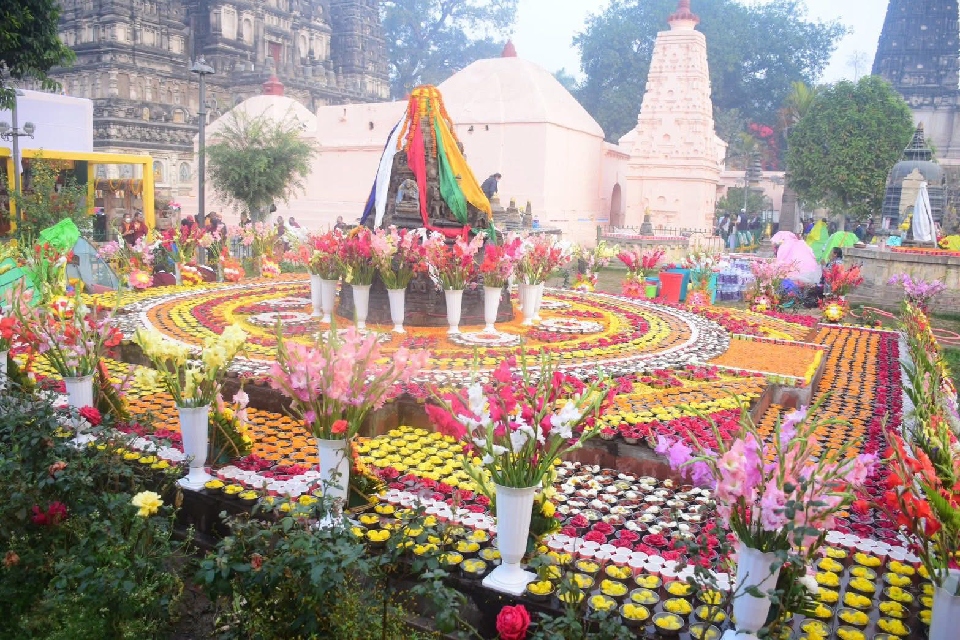
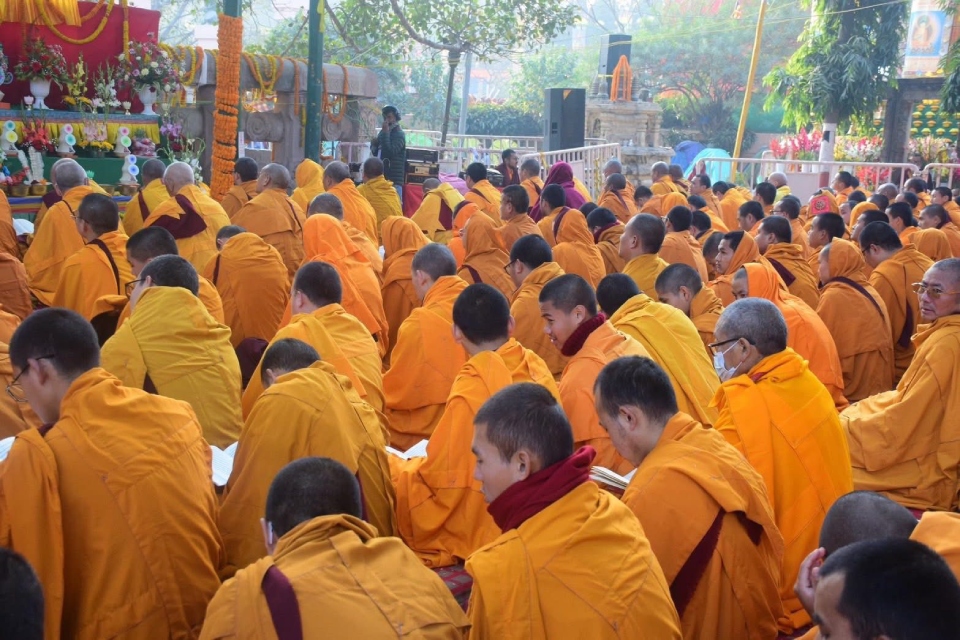
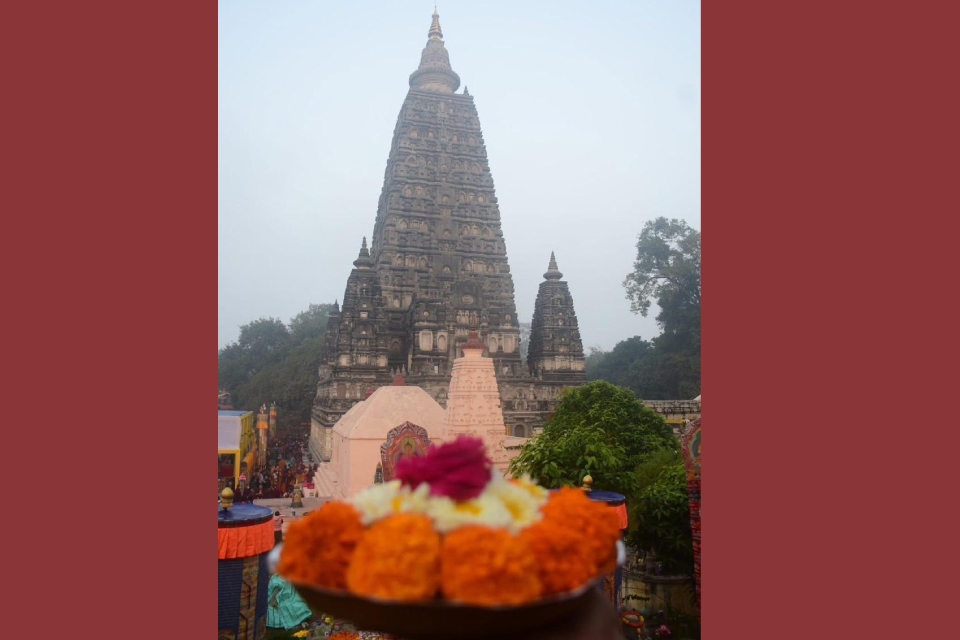
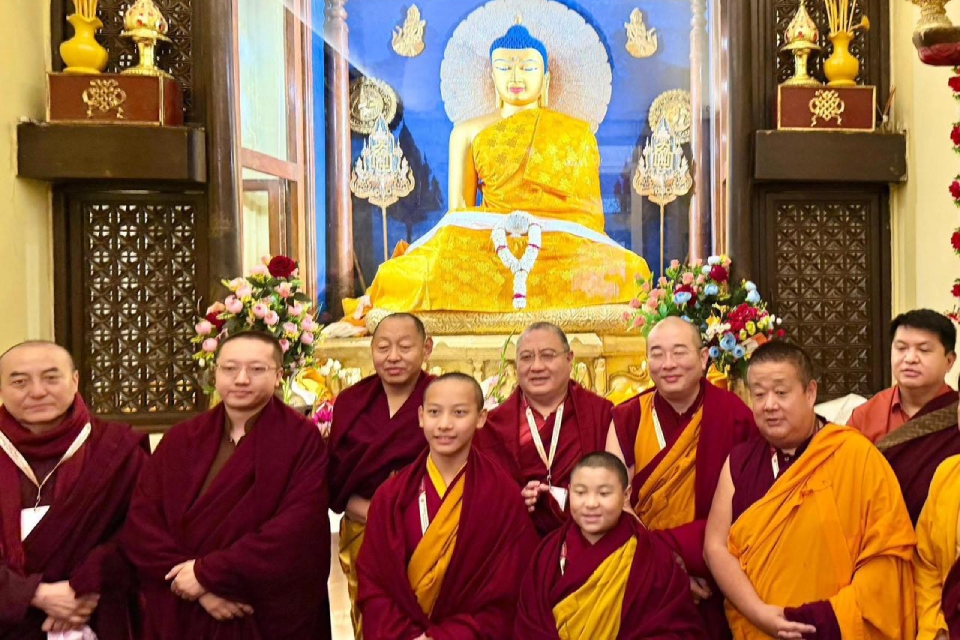
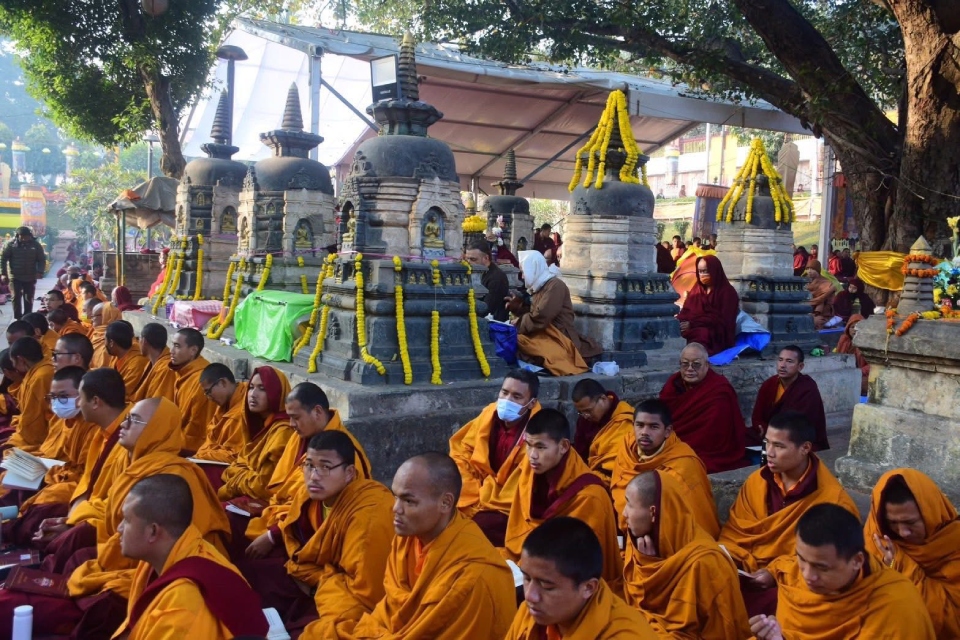
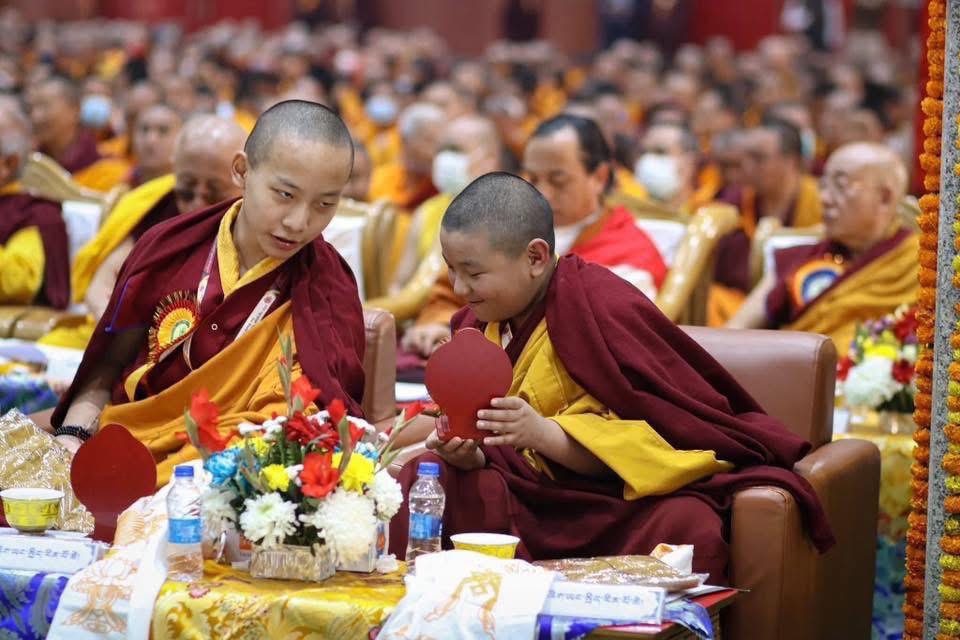
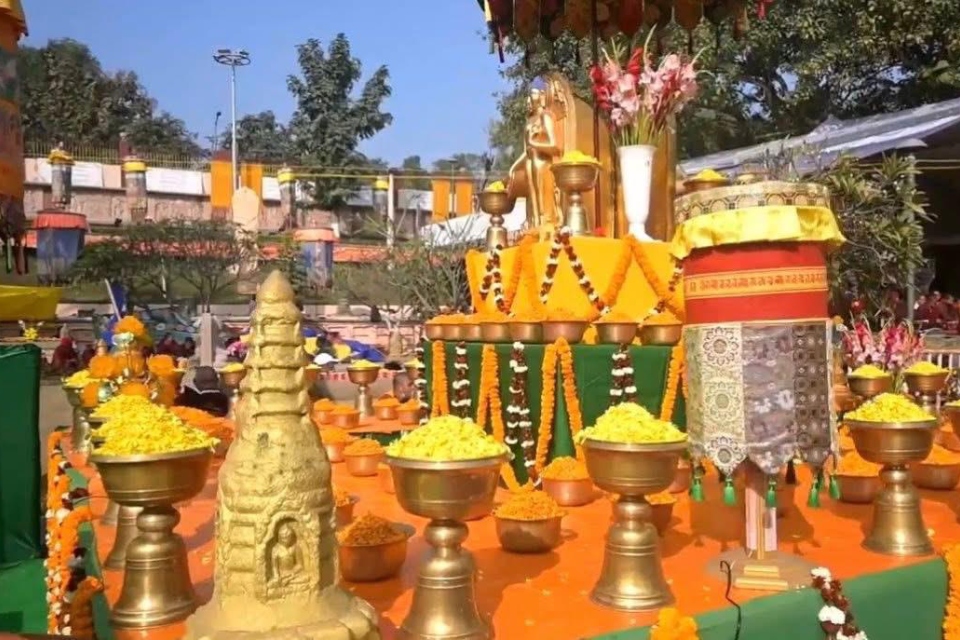
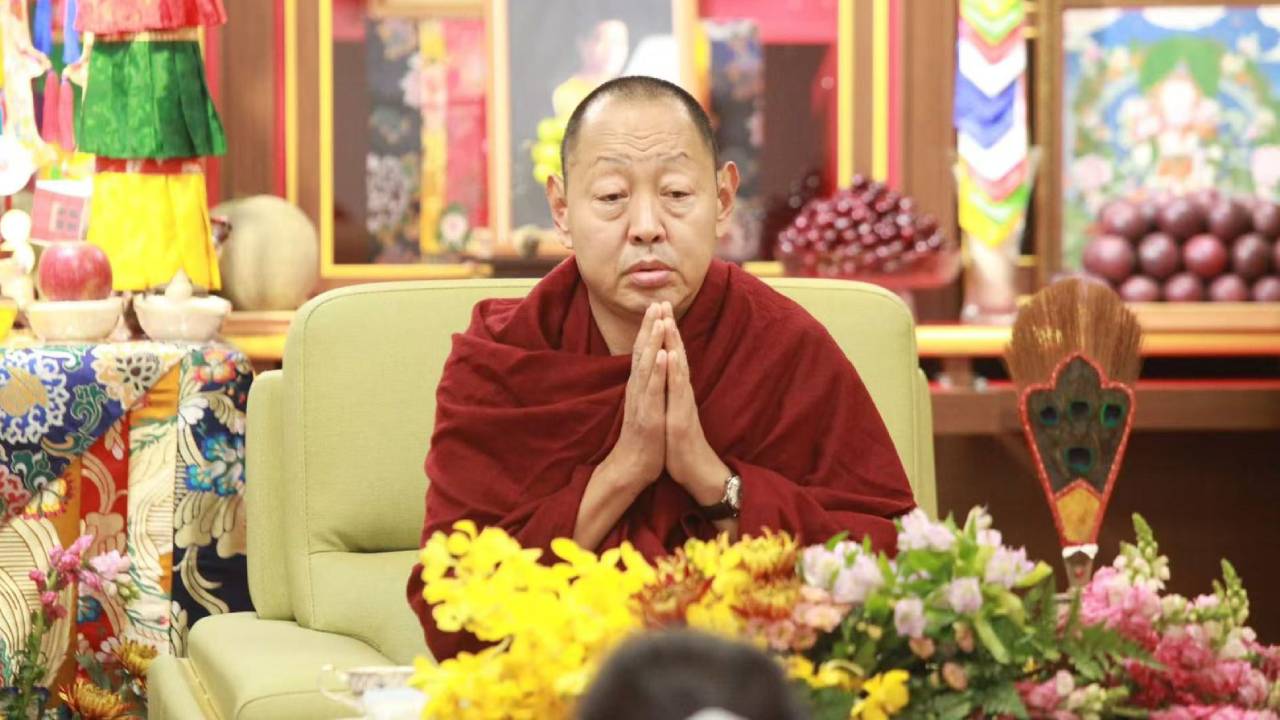
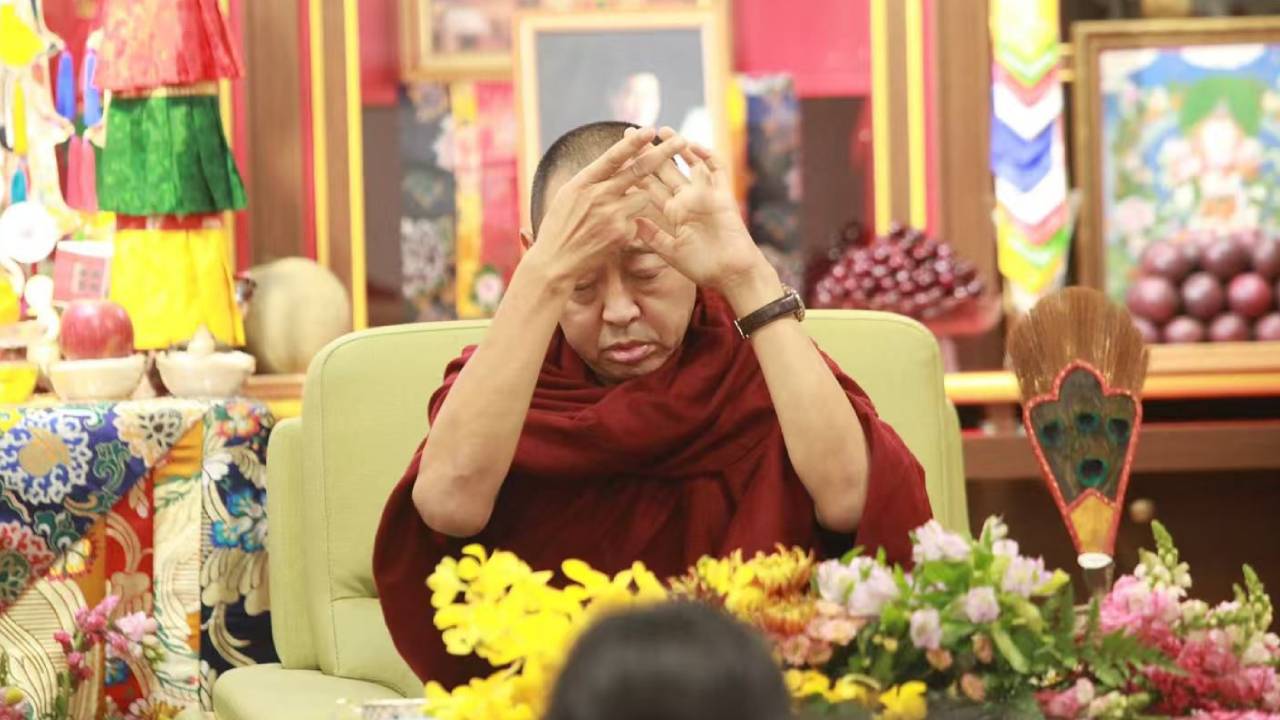
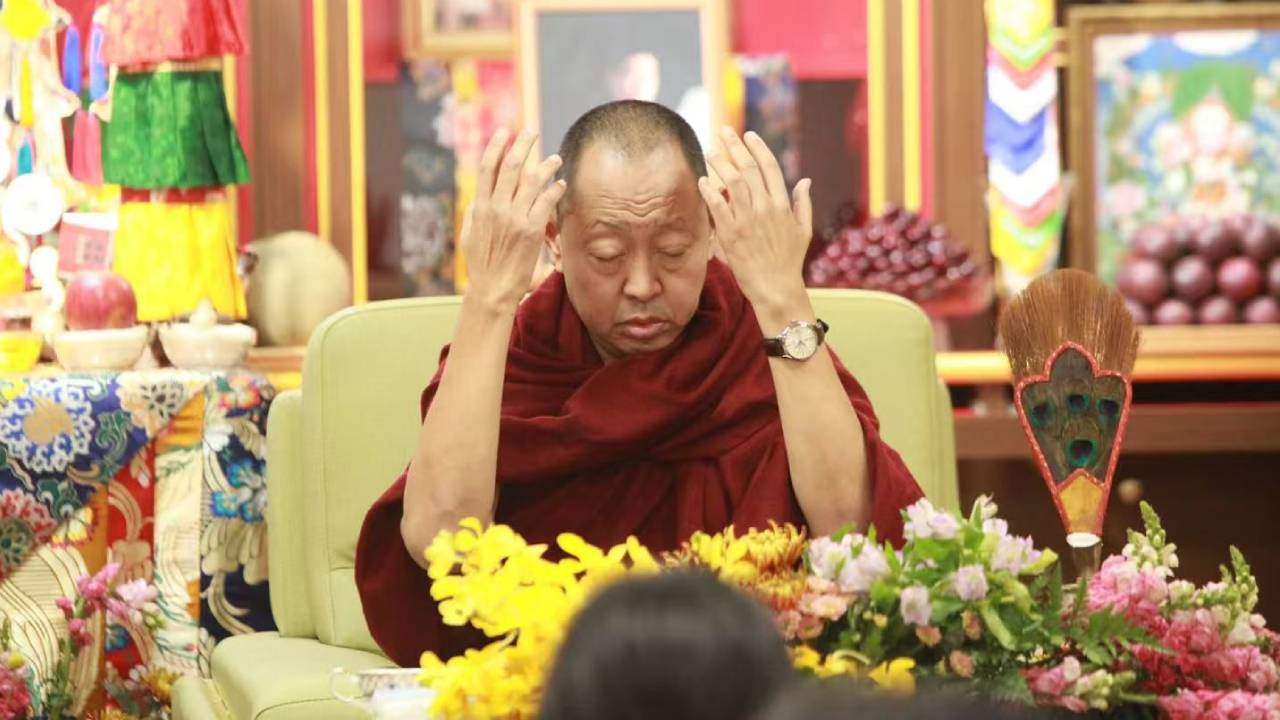
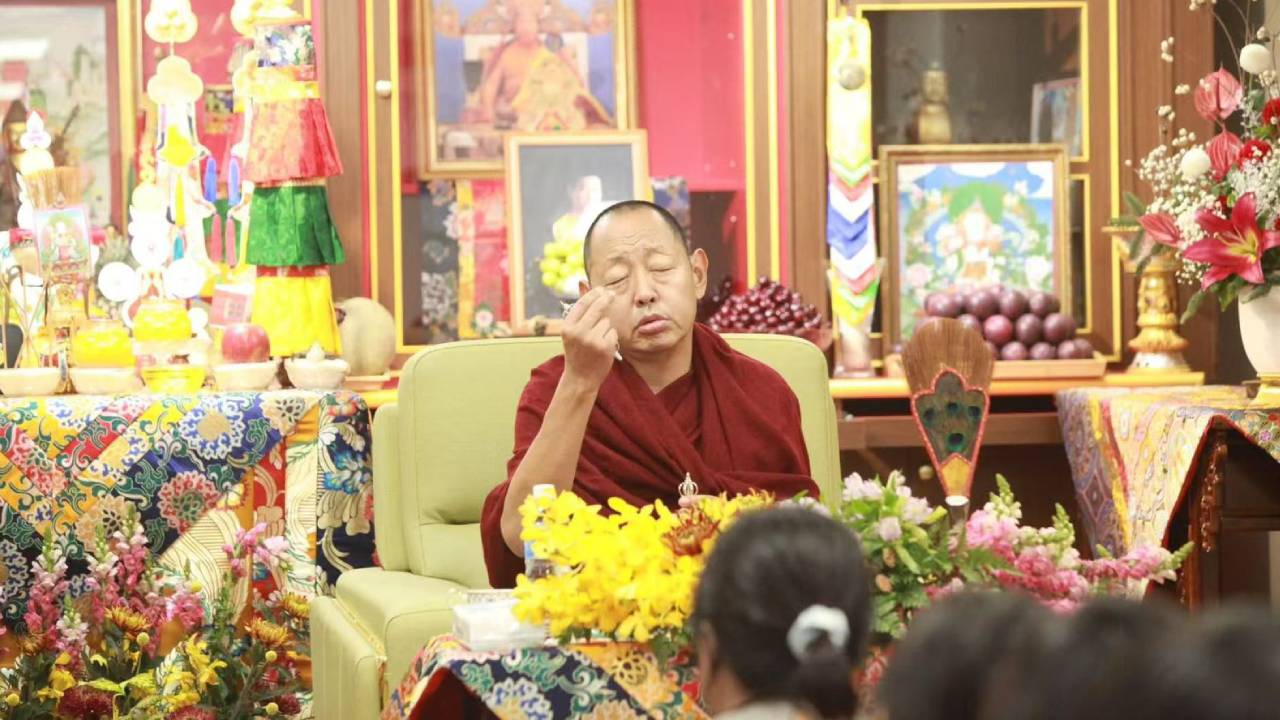
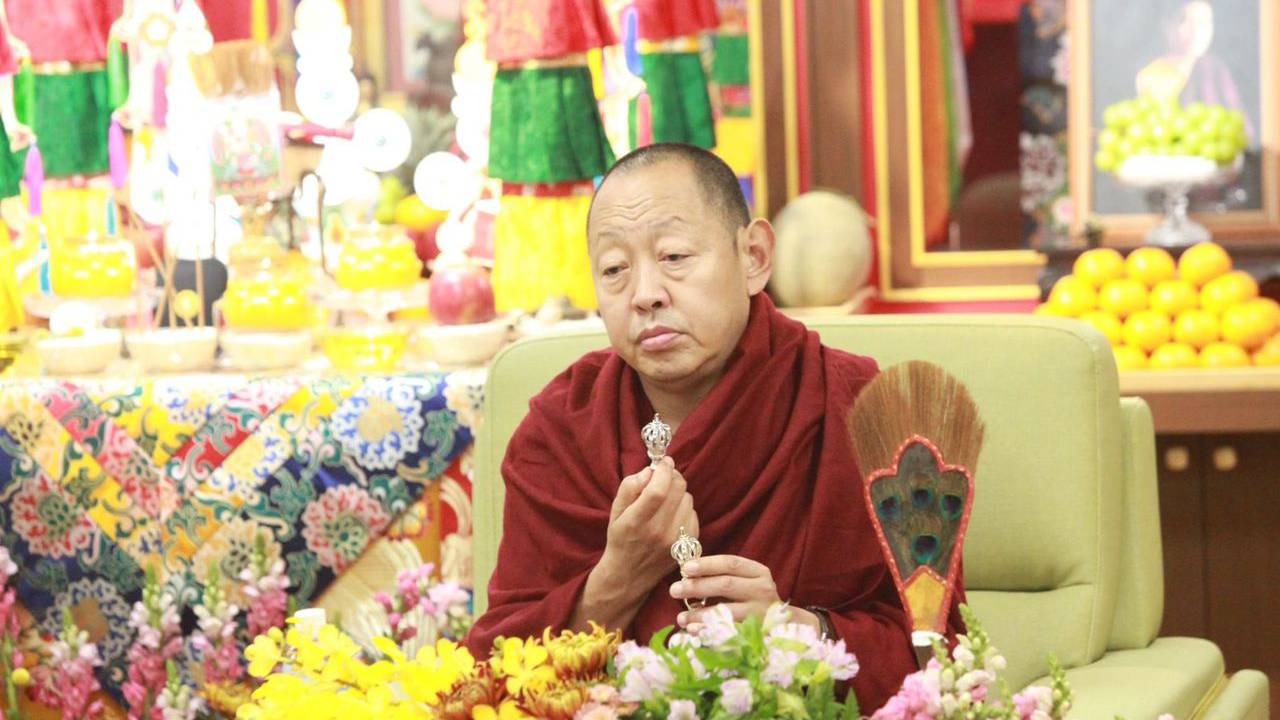
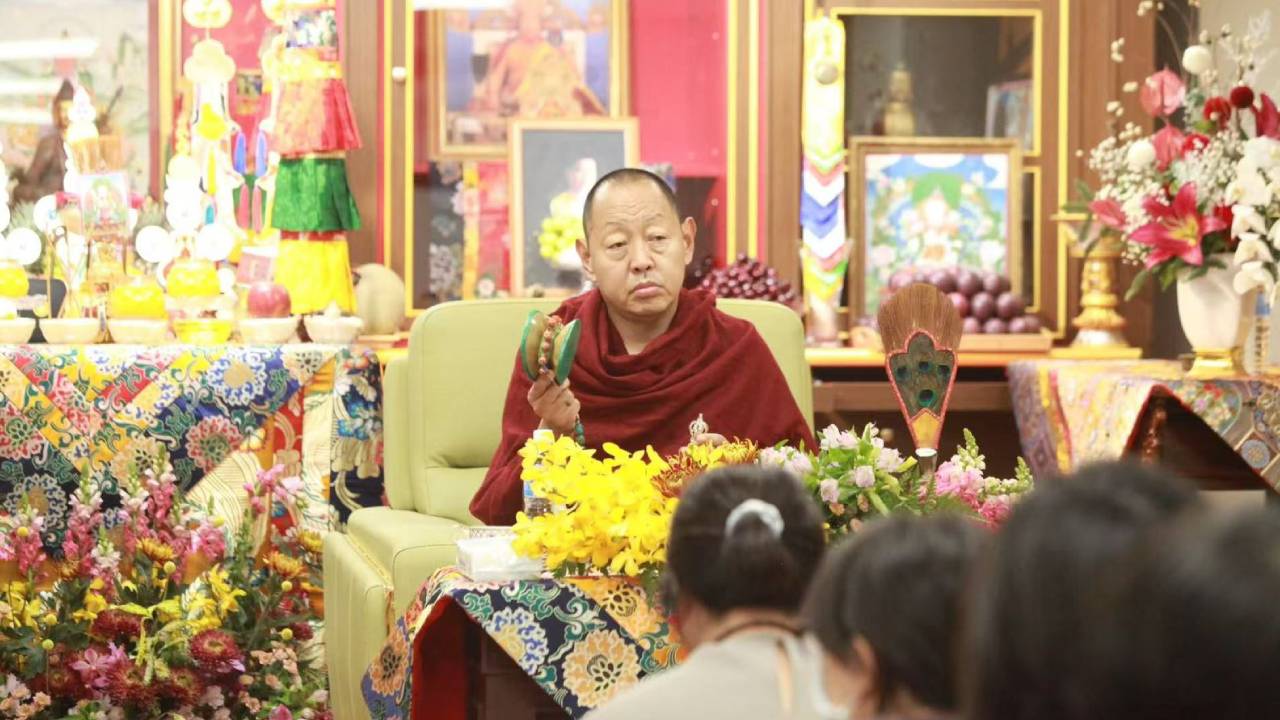
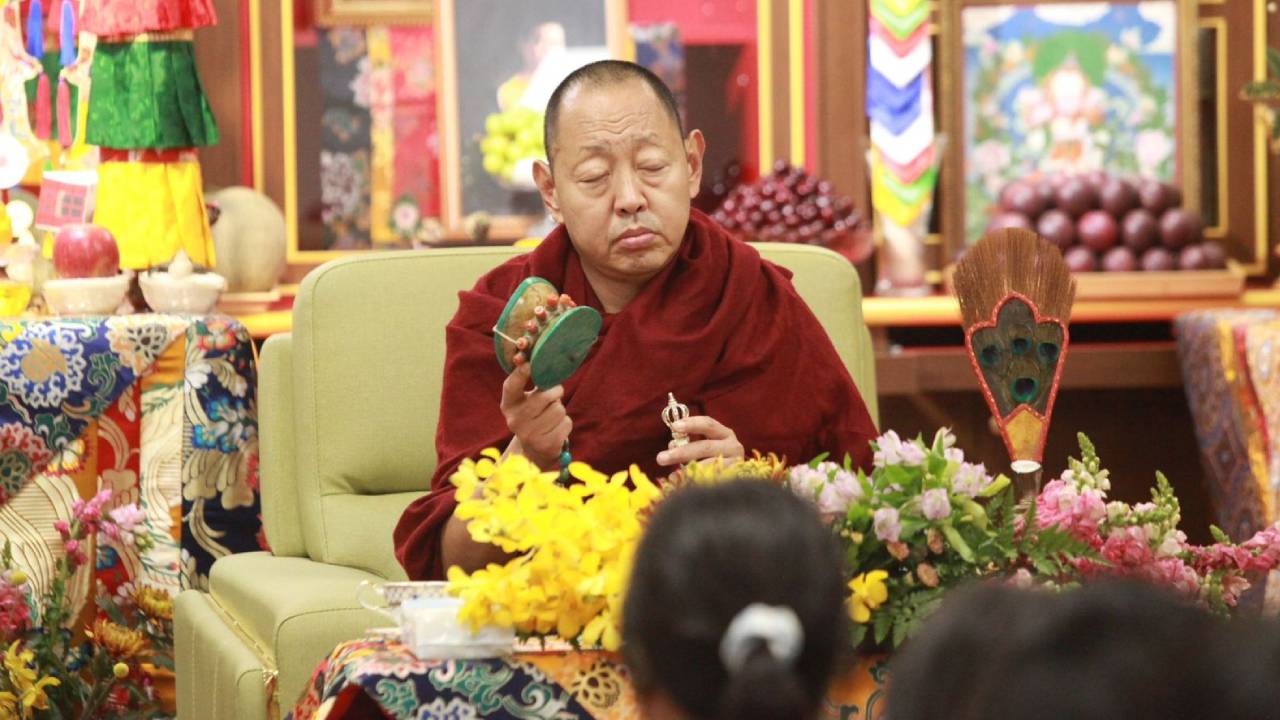
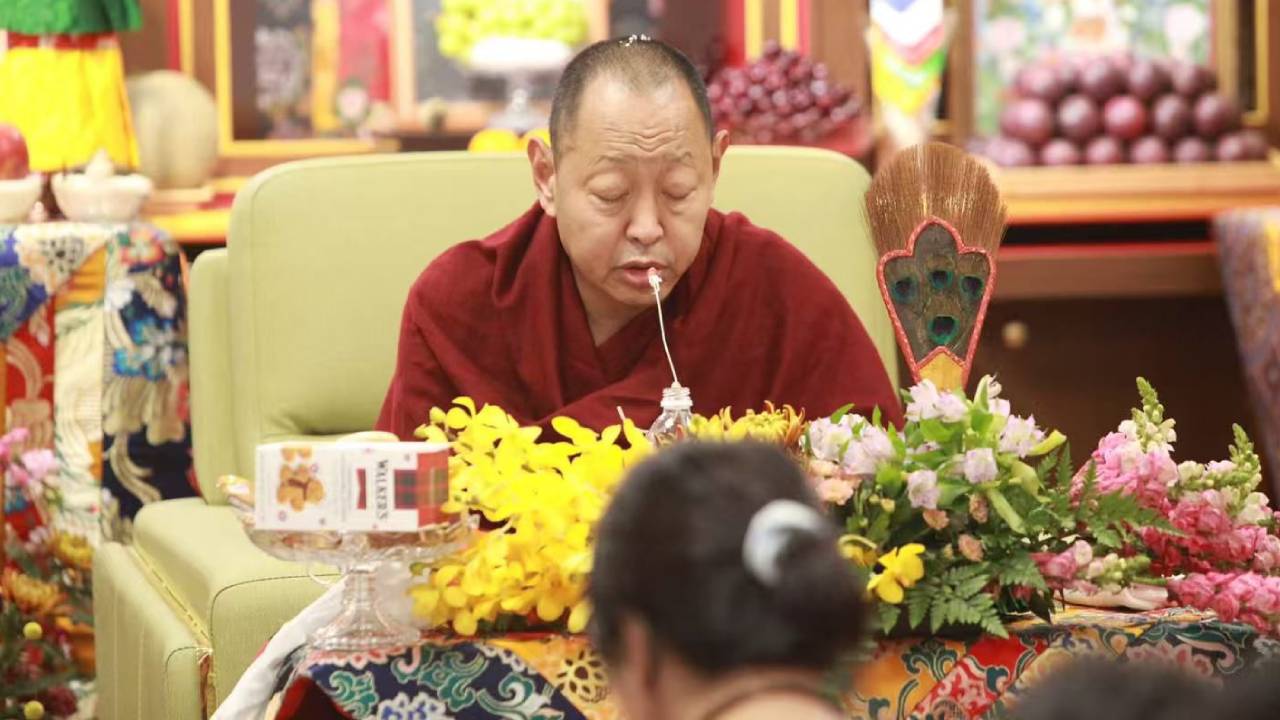
A ceremony was held on July 2, 2025 (7th day of the 5th Tibetan month, Wood Snake Year) at 9 AM inside the Great Stupa of Descent from the God Realm (Lha Bab Chorten) or famously known as Buddha temple, to mark the 7th birth anniversary of His Eminence Dungsey Gyurmey Rinchen Namgyal, son of the 12th Minling Trichen, Dralha Gyeltsen (Gyurmey Kunzang Jigme). The occasion was celebrated by Mindrolling centers and communities throughout the world.


Tibetan’s lunar new year of 2025

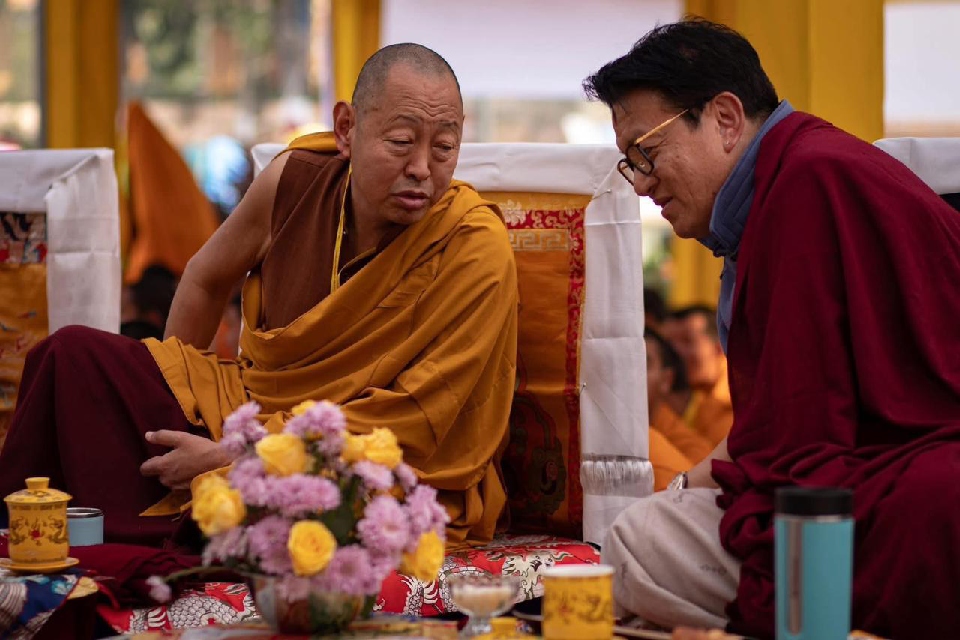
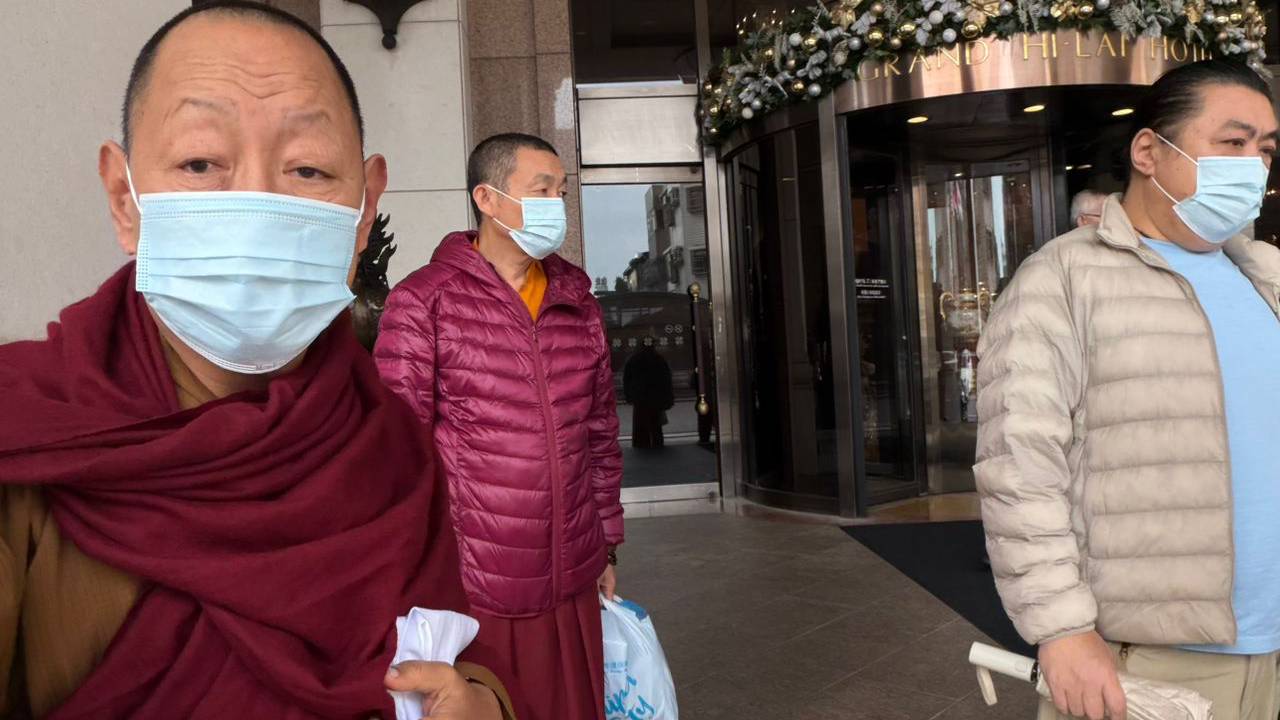
In this Tibetan’s lunar new year of 2025, upon the invitation of Kyabje Dungzin Garab Rinpoche. Kyabje Minling Khenchen Dorje Chang traveled to eastern Bhutan at Rangchung Osel Choling Monastery. He bestowed the Minling Dorsem empowerment and transmission to the entire assembly led by Kyabje Garab Rinpoche. Afterward, the assembly led by Kyabje Garab Rinpoche offered an elaborate long-life ceremony to Kyabje Rinpoche based on Dudjom Tersar’s Chimed Sogtik (Immortal Life-Essence). Then he also visited Dzongsar Khyentse Rinpoche’s established Bhutanese Dzongsar Shedra at Dewa Thang Chokyi Gyatso, where he gave oral transmissions of Manjushri Namasangiti and other teachings to all the abbots and students. At Yonphula Orgyen Do-Ngak Chokor Ling, he bestowed oral transmissions of the Seven-Line Prayer and Gang Lo Ma to the teachers and students. At Sangdag Gyepai Ling, he gave transmissions of the Vajra Guru and Gang Lo Ma. Having successfully completed all scheduled activities in Bhutan.


Save Water

India faces a multitude of water-related challenges that impact both rural and urban areas across the country. Let’s delve into some key issues surrounding water in India.

Water Scarcity: One of the most significant water problems in India is water scarcity. Rapid population growth, coupled with erratic rainfall patterns and overexploitation of groundwater, has led to water stress in many regions. States like Rajasthan, Maharashtra, and Tamil Nadu face acute water scarcity, especially during dry seasons, affecting agriculture, drinking water supply, and livelihoods.

Groundwater Depletion: India is the world’s largest user of groundwater, with the agricultural sector being a major consumer. Over-extraction of groundwater for irrigation purposes has led to declining water tables, particularly in states like Punjab and Haryana. This depletion not only threatens agricultural sustainability but also contributes to land subsidence and water quality issues.

Water Pollution: Water pollution is a significant concern in India, with industrial effluents, agricultural runoff, and untreated sewage contaminating rivers, lakes, and groundwater sources. The Ganga and Yamuna rivers are among the most polluted water bodies in the country, adversely impacting public health and ecosystem health. Contaminated water sources contribute to waterborne diseases, posing a serious health risk to millions of people.

Interstate Water Disputes: India’s federal structure and complex river basin systems have resulted in interstate water disputes, particularly over shared rivers like the Cauvery, Krishna, and Mahanadi. Conflicts over water allocation, dam construction, and water-sharing agreements have often led to tensions between states, highlighting the need for robust water governance mechanisms and cooperation among riparian states.

Lack of Access to Clean Water: Despite progress in improving water accessibility, millions of people in India still lack access to safe and reliable drinking water. Rural areas, tribal communities, and urban slums often face challenges in accessing clean water due to infrastructure limitations, water quality issues, and inequitable distribution of water resources. This lack of access hinders progress in health, education, and economic development.

Climate Change Impacts: India is vulnerable to the impacts of climate change, which are exacerbating water-related challenges in the country. Erratic monsoon patterns, increasing temperatures, and changing precipitation levels are affecting water availability, agriculture, and ecosystems. Climate resilience measures and adaptation strategies are essential to mitigate the adverse effects of climate change on water resources in India.

Water Management and Governance: Effective water management and governance are crucial for addressing India’s water challenges. Strengthening water institutions, implementing water conservation measures, promoting sustainable agricultural practices, and investing in water infrastructure are key priorities. Integrated water resource management approaches that consider social, economic, and environmental dimensions are essential for sustainable water security in India.

In response to these water challenges, the Indian government has launched initiatives such as the Jal Jeevan Mission, which aims to provide piped water supply to all households in rural India by 2024. The Atal Bhujal Yojana focuses on sustainable groundwater management, while the Namami Gange program targets the rejuvenation of the Ganga River.

Civil society organizations, research institutions, and grassroots movements are also actively engaged in water management efforts, advocating for water conservation, pollution control, and community-based water governance.

Addressing India’s water problems requires a multipronged approach that integrates water conservation, pollution control, infrastructure development, and stakeholder participation. By prioritizing sustainable water management practices, promoting water equity, and fostering collaboration at the local, regional, and national levels, India can work towards safeguarding its water resources for current and future generations.


Khenpos enthronement

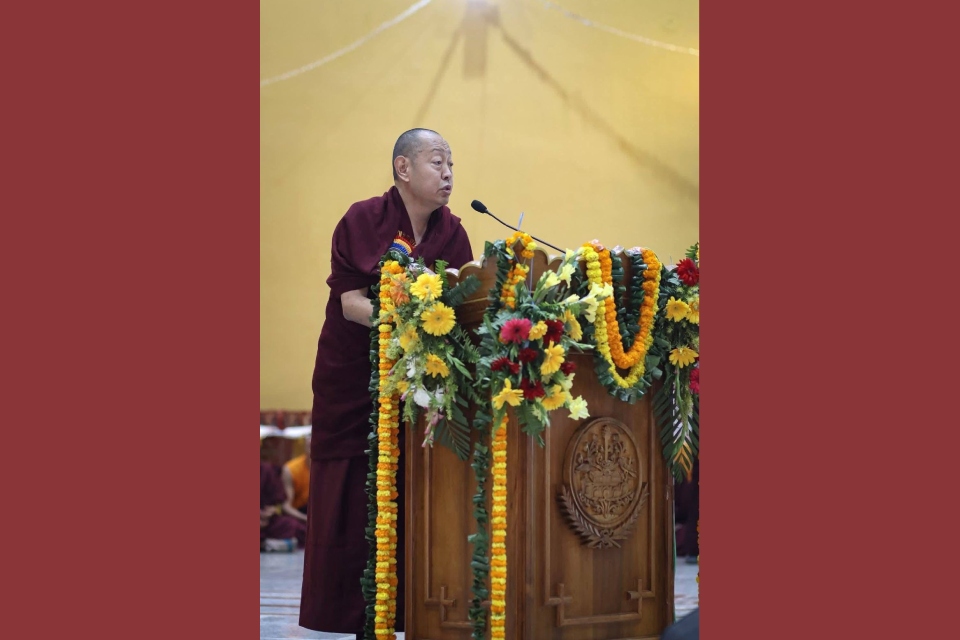
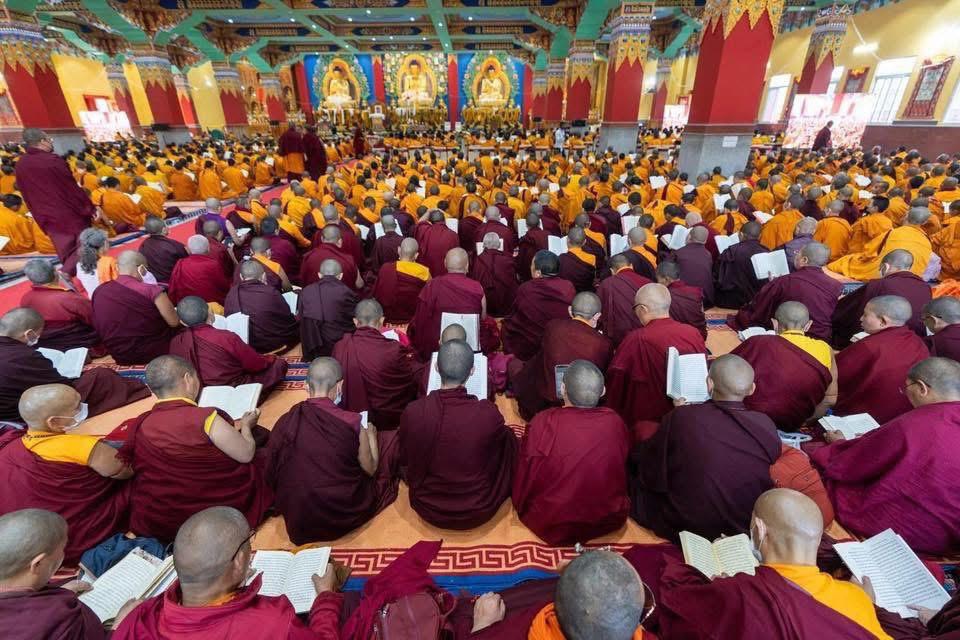
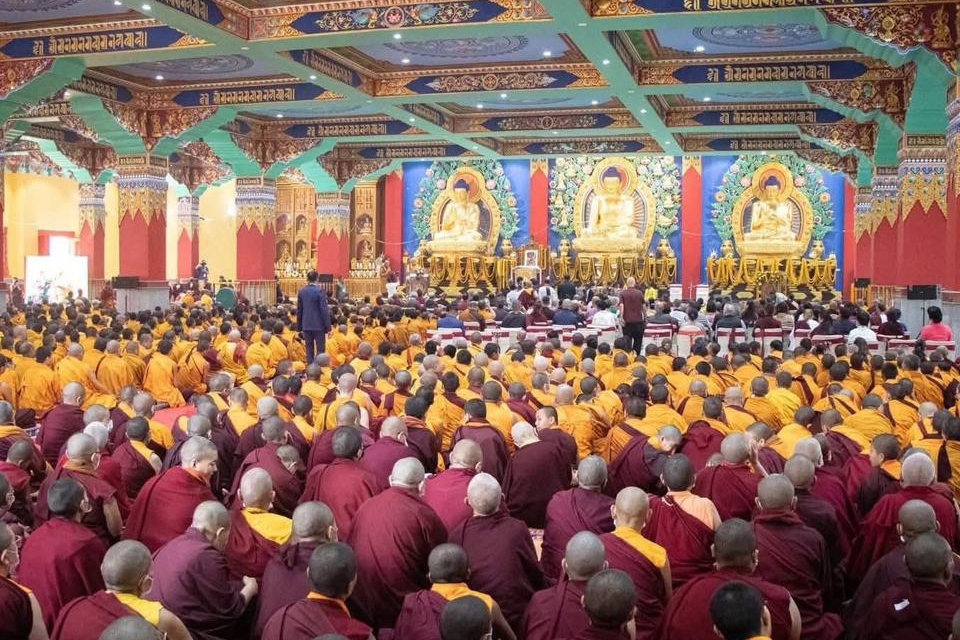
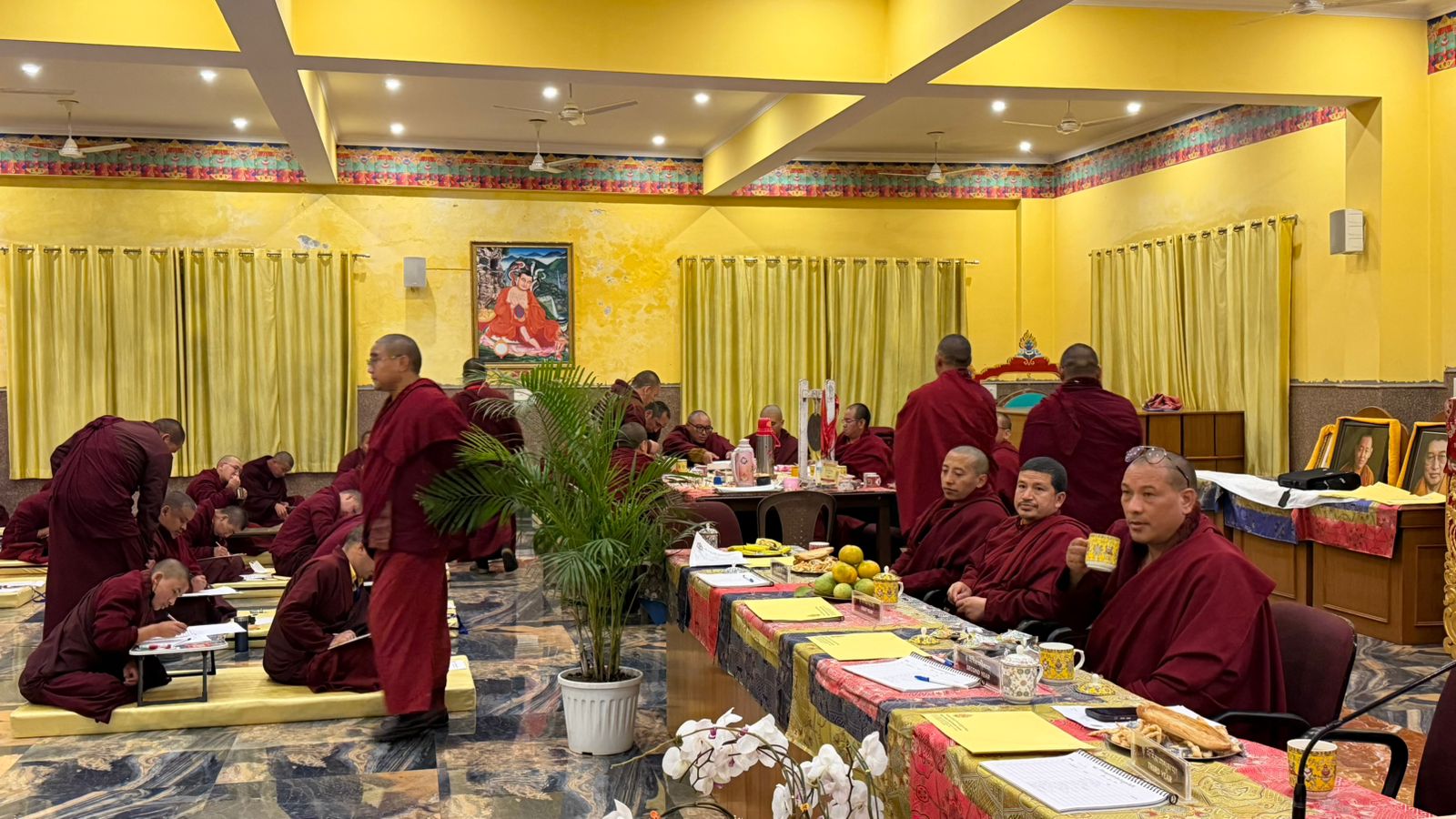
Today, after many years of anticipation, the much-awaited enthronement of 51 Khenpo’s has finally happened on December 1st. This achievement is attributed to the unwavering commitment and hard work of all the past and present Khenpos, who have dedicated themselves towards the future of Mindrolling lineage scholars. Despite facing numerous obstacles and challenges, they displayed immense determination.

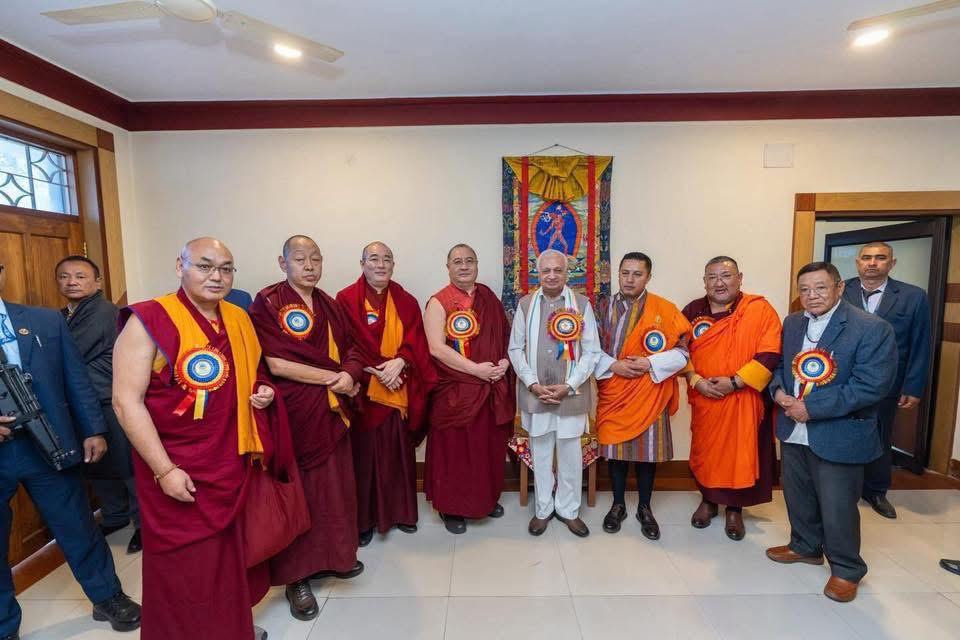
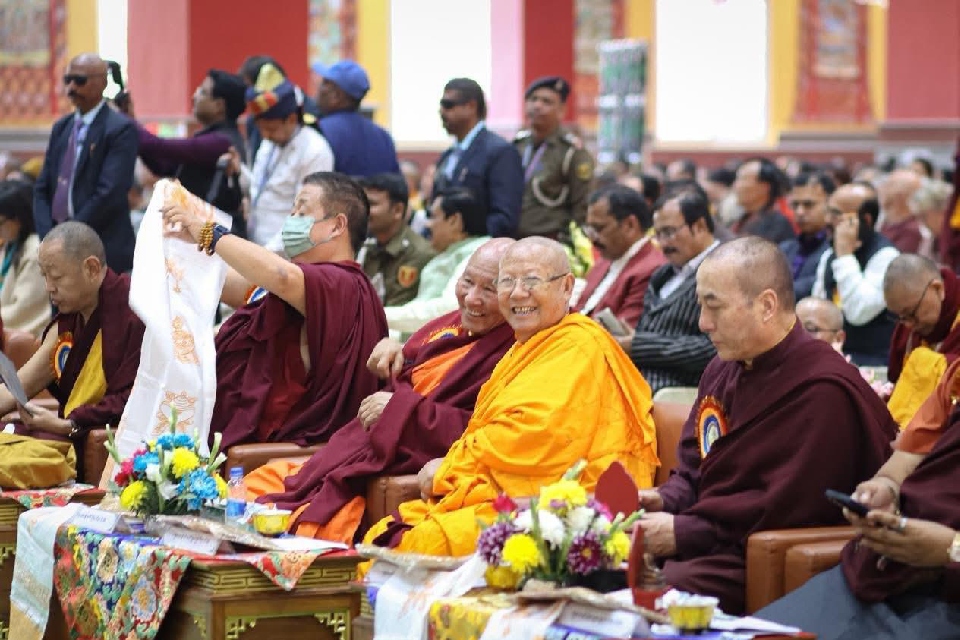
To mark this significant event, we are filled with joy and proud as we gather with Minling Khenchen Rinpoche, Khochim Rinpoche, Trsulshig Yangshe Rinpoche, and several distinguished guests from various countries and Indian states. My heartfelt gratitude to this year ‘s administration in-charge for their hard work as a team to make this successful and memorable.