News
THE BUDDHA’S WARNING: WHY A FALSE GURU IS MORE DANGEROUS THAN A RAGING MAD ELEPHANT
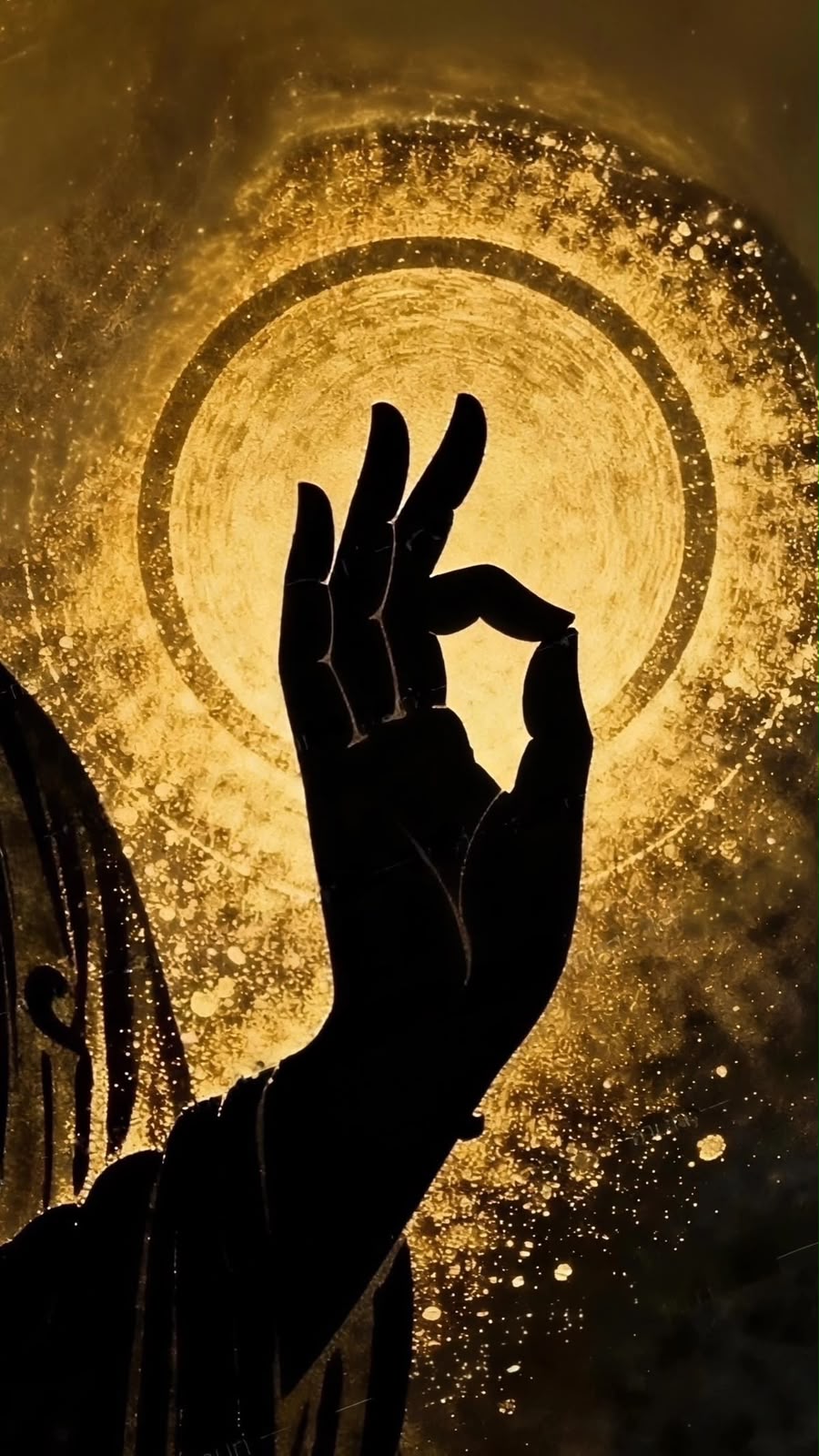
In the Mahāyāna Mahāparinirvāṇa Sūtra (Scroll 22 / Taishō Tripiṭaka Vol. 12, Text No. 374, Chapter on the Noble King of Pervading Light Bodhisattva), the Buddha delivers one of the most uncompromising warnings in Buddhist scripture. To make the danger unmistakable, the Buddha takes the most terrifying, unstoppable physical threat known in the ancient world-a raging, maddened elephant-and sets it against a misleading teacher or corrupt spiritual guide (pāpamitra / 惡知識).
The Direct Canonical Text
The Bodhisattva Mahāsattva views a mad elephant and an evil teacher as equal in one respect: both can destroy the physical form. Yet, the Bodhisattva harbors no terror toward the mad elephant, but harbors immense dread toward the evil teacher.
Why?
- A mad elephant can only destroy your body; it cannot destroy your mind. An evil teacher destroys both body and mind.
- A mad elephant destroys only a single lifetime (one body). An evil teacher destroys countless good bodies and countless wholesome minds across infinite future lives.
- A mad elephant destroys only an impure, decaying vessel of flesh. An evil teacher ruins the pure body and the purified mind.
- A mad elephant destroys only the mortal meat-body (rūpakāya). An evil teacher destroys the eternal Dharma-Body (Dharmakāya).
- Being killed by a mad elephant does not cause you to fall into the three lower realms of suffering (hell, hungry ghosts, animals). Being led astray and murdered spiritually by an evil teacher guarantees your descent into the three lower realms.
- A mad elephant is merely an enemy to your physical flesh. An evil teacher is an enemy to the True Dharma and all wholesome roots. Therefore, the Bodhisattva must at all times keep far away from false teachers and evil companions.”
Detailed Breakdown of the Six Canonical Contrasts
- Destruction of Matter vs. Corruption of Consciousness
When a wild, maddened elephant attacks, its power is purely mechanical. It crushes bones, tears muscles, and stops the heart. It has zero ability to enter your storehouse consciousness (ālayavijñāna) or touch your mental continuum. A false teacher, however, operates directly on the mind. By feeding the student distorted doctrines, false rules, and spiritualized pride, they subvert the intellect, corrupt the conscience, and ruin both the physical life and the mental faculties of the disciple. - One Lifetime of Harm vs. Aeons of Ruin
The violence of a mad elephant is limited by time. The moment the victim draws their last breath, the elephant’s power over them ends permanently. A false teacher plants seeds of Wrong View (micchā-diṭṭhi). In Buddhist karma, a deeply ingrained wrong view is not extinguished at physical death; it carries over into subsequent rebirths, binding the practitioner to delusion, false spiritual paths, and suffering across untold aeons (kalpas). - Impure Flesh vs. Spiritual Purity
The Buddha reminds practitioners that the biological body is inherently transient, subject to aging, sickness, and decay (anatta and asubha). A wild beast merely dismantles a physical vessel that would have died anyway. The pure mind-grounded in ethical vows (sīla), mindfulness, and faith in liberation-is the only vehicle capable of awakening. A misleading teacher shatters that purity by convincing the disciple to break ethical precepts, excuse indulgence, or indulge sectarian arrogance, thereby destroying their spiritual foundation. - The Meat-Body vs. The Dharma-Body (Dharmakāya)
The Meat-Body (Rūpakāya): The temporary biological aggregate composed of the four physical elements. The Dharma-Body (Dharmakāya): The unconditioned, deathless realization of ultimate truth, emptiness, and Buddha-nature. A wild beast can only terminate the biological life (rūpakāya). A false guru, by preaching counterfeit Dharma as true Dharma, extinguishes the disciple’s ability to recognize ultimate reality, effectively “murdering” the birth of their Dharmakāya. - The Karmic Destination After Death
The Buddha makes a critical karmic distinction: physical victimhood carries no moral guilt. If you are trampled to death by a rampaging animal while keeping a clean mind and pure ethics, you are reborn in higher, peaceful realms. Conversely, if you surrender your mind to a misleading teacher and adopt their corrupt practices-such as slandering the authentic sutras, committing unwholesome deeds under the guise of “esoteric wisdom,” or deceiving others-you generate severe negative karma. That karma directly drives both the teacher and the disciple into the lower realms of misery (naraka, preta, tiryag-yoni). - An Enemy of the Flesh vs. An Enemy of Liberation
A dangerous animal is merely an adversary to biological survival. A false spiritual master is an adversary to the Noble Eightfold Path itself. By altering the Buddha’s rules and substituting personal ego for authentic awakening, the false teacher cuts off the only bridge by which beings cross the ocean of Samsāra. Why the Danger Is So Deceptive The Buddha used the elephant metaphor to highlight the contrast in perception:- A Mad Elephant is Obvious: Its fury, trumpet, and mass are visible. Anyone who sees a mad elephant instinctively runs, hides, or climbs a tree to preserve their life.
- A False Teacher is Disguised: They do not announce themselves as destructive. They wear sacred robes, occupy high seats, carry prestigious lineages, speak with charm, and claim profound realizations.
Because the danger is concealed behind spiritual authority, the disciple bows down, offers devotion, defends the teacher’s errors, and willingly drinks the poison. This is why the Buddha commands practitioners to treat an unprincipled teacher with far greater caution and vigilance than the most violent beast in existence.
The Real Cost of Fast Fashion: Why We Must Stop Poisoning Our Only Home
In Chile’s Atacama Desert, satellite photos show mountains of dumped, unwanted clothing stretching across the sand. This desert wasteland exposes the dark reality of a runaway global industry: fast fashion.
We are destroying the planet for cheap, disposable garments. Our children and future generations have nowhere else to go-this Earth is our only home. Ruining our water, soil, and health for short-lived trends is pure selfishness. It is time to treat fast fashion for what it is: an engineered addiction to low-grade waste.
The Explosion of Ultra-Fast Fashion
Fashion once followed two reasonable seasons a year. Today, algorithms and ultra-fast fashion have turned production into an overdrive machine:
- Overproduction: Factories churn out 100 to 150 billion garments annually-enough to clothe humanity for generations.
- Extreme Waste: The average piece of clothing is worn only 7 to 10 times before being thrown out. Over 40% of garments are trashed after just one or two uses.
- Algorithmic Drops: Ultra-fast platforms release up to 10,000 new designs every single day, turning concepts into shipped products in 72 hours.
An Engineered Addiction
This relentless buying is not accidental; it is psychological manipulation:
- FOMO & Dopamine: Micro-seasons create false urgency, while ultra-cheap prices trigger the same addictive neurological reward loops found in gambling.
- Manufactured Stigma: Social media algorithms and influencer “hauls” glorify overconsumption and shame people for simply re-wearing their clothes.
The Environmental and Biological Toll
The true price of cheap clothing is paid by our ecosystems and our own bodies:
Microplastics in Our Blood: Roughly 60% of modern clothes are made of synthetic fossil-fuel plastics (polyester, nylon, acrylic). Washing them dumps over 500,000 tons of microplastics into waterways every year. These particles are now found in human blood, lungs, and placentas. Draining and Poisoning Water: Making a single cotton shirt takes 2,700 liters of water; a pair of jeans takes 7,500 liters.

Meanwhile, untreated dyes and chemical runoff make up 20% of global industrial water pollution. Massive Emissions & Landfills: The fashion industry generates 10% of global carbon emissions. Discarded clothes-92 million tons a year-are dumped into developing nations or burned, releasing toxic fumes.
Breaking the Cycle: A Call to Action
We must hold corporations accountable and change how we consume:
- The 30-Wears Rule: Never buy an item unless you realistically plan to wear it at least 30 times.
- Normalize Repeating & Mending: Wear your clothes for years. Repair torn seams, replace buttons, and wear your wardrobe with pride.
- Choose Durable, Natural Fibers: Say no to cheap virgin synthetics. Choose long-lasting materials like organic linen, hemp, and recycled wool.
- Demand Stricter Laws: Support legislation that bans destroying unsold stock, imposes eco-tariffs on polluters, and enforces supply chain transparency.
A ₹300 shirt is not cheap when it costs us our rivers, clean air, and children’s future. It is time to stop chasing worthless trends, reject disposable culture, and protect the home we leave behind.
The Life and Legacy of Bodhidharma: The Architect of Zen
The story of Bodhidharma
The legendary monk who brought the practice of Dhyana (meditation) from the Indian subcontinent to the heart of China—is a journey of transformation. He stands as a bridge between the philosophical depth of Indian Buddhism and the practical, direct application of Zen (Chan) tradition.
- Origins: The Prince from the South
Historical accounts from the Anthology of the Patriarchal Hall suggest that Bodhidharma was born in the 5th century CE in Kanchipuram, Southern India. Born a prince of the Pallava dynasty, he was a member of the Brahmin caste, highly educated in the Vedas and the martial disciplines of his time. However, upon encountering the teachings of the Buddha, he renounced his royal inheritance, received ordination, and mastered the practice of Dhyana.
Following the instruction of his master, Prajnatara, he departed for China. It is said he traveled by sea, arriving in the southern state of Liang during the reign of Emperor Wu around 520 CE.
- The Encounter with Emperor Wu
One of the most defining moments in Buddhist history is the meeting between the pragmatic, merit-obsessed Emperor Wu and the uncompromising Bodhidharma.
The Question: The Emperor, having built countless temples and sponsored thousands of monks, asked: “What is the extent of my merit?”
- The Answer: Bodhidharma bluntly replied, “None.”
- The Lesson: When asked about the “highest meaning of the noble truth,” the monk famously responded, “Emptiness, and nothing holy.”
- This exchange marked the shift from Buddhism as a ritualistic religion to Zen as an inward, experiential practice. Disillusioned by the intellectual elitism of the time, Bodhidharma crossed the Yangtze River (traditionally said to be on a single reed) and traveled north to the kingdom of Wei.
- Nine Years at Shaolin
Bodhidharma settled at the Shaolin Monastery on Mount Song. Finding that the monks there were physically weak due to extensive periods of sitting, he introduced two revolutionary practices:
- Meditation (Wall-Gazing): He spent nine years in a cave facing a stone wall. This was not a passive act but an intense, disciplined period of “mind-stilling,” where he sought the direct experience of reality, bypassing scripture and dogma.
- Physical Cultivation: To sustain the body for long-duration meditation, he taught a series of exercises that would evolve into the foundation of Shaolin Kung Fu. These movements focused on internal energy (Qi) and physical durability.
- The Lineage of Truth
Bodhidharma’s teaching method was radical. He discouraged reliance on written texts, emphasizing:
A direct pointing to the human heart.
Seeing one’s own nature and becoming a Buddha.
He famously sought a successor who could hold this “direct” transmission. The monk Huike spent years studying under him, eventually cutting off his own arm in the snow to prove his absolute sincerity and commitment to the Dharma. Satisfied, Bodhidharma transmitted the Lankavatara Sutra and his robe to Huike, establishing him as the Second Patriarch of Chan. - Death and the Legend of the Single Shoe
The exact manner of Bodhidharma’s passing remains shrouded in mystery. Some traditions suggest he died of old age or was poisoned by jealous rivals. However, the most enduring legend tells of a Chinese official who met a solitary, barefoot monk traveling in the mountains of the Pamir region, carrying a single shoe. When word reached the monastery that the monk had died, his tomb was opened and found to be empty, save for his other shoe. This solidified his reputation as an enlightened master who had transcended the limitations of the material world.
- Why He Matters Today
Bodhidharma’s life serves as a timeless reminder of three core principles:
- Self-Reliance: He taught that truth cannot be granted; it must be discovered through personal effort.
- Presence: His commitment to meditation reminds us that profound peace is found in the stillness of the “now.”
- Authenticity: He stripped away the ego and status associated with religion, demanding that practitioners be honest about their own nature.
Today, he is revered not just as a religious icon, but as a symbol of human potential, endurance, and the search for the absolute truth. Whether represented as the wide-eyed, bearded figure in ancient paintings or the red, lidless Daruma doll in Japan, he remains a symbol of an unwavering will that refuses to give up until the goal is attained.
Rongzom Mahapandita (1012–1088)
A Life of Unmatched Scholarship
Rongzom Chökyi Zangpo, known as Rongzom Mahapandita, was a foundational figure in the Nyingma school of Tibetan Buddhism. His life was defined by a commitment to intellectual rigor and the preservation of ancient traditions.
Significant Achievements and Contributions
- Synthesis of Traditions: He was an expert in both the “Old Translation” (Nyingma) and “New Translation” (Sarma) schools of Buddhism, allowing him to bridge diverse philosophical perspectives.
- Defense of the Nyingma Lineage: During an era when Nyingma teachings faced skepticism, he employed his mastery of logic (pramana) and scriptural analysis to successfully prove the authenticity of Nyingma texts and the Dzogchen path.
- Systematization of Dzogchen: He is credited as the first master to fully systematize the Dzogchen teachings of Vimalamitra and Vairotsana following the historical periods of suppression in Tibet.
- Intellectual Mastery: Recognized as one of the three “omniscient” (kun mkhyen) masters of the Nyingma tradition, his brilliance was such that contemporary critics frequently became his students after engaging with his arguments.
- Encyclopedic Authorship:
His writings were not limited to theology; he produced works across a vast spectrum of knowledge, including:- Buddhist Philosophy: Rigorous works on Mahayana and Tantric principles.
- Linguistics: Detailed studies on the structure and nuance of language.
- Practical Sciences: Technical writings on agriculture, animal husbandry, and other secular arts, reflecting his view that all appearances could be perceived as divine.
Foundational Texts
While a large portion of his original output was lost, his most influential surviving works remain essential reading:
- Establishing All Appearances as Divine (snang ba lhar sgrub): A critical text providing the logical foundation for understanding the pure nature of reality within a tantric framework.
- Introduction to the Way of the Great Vehicle: A comprehensive pedagogical guide to Mahayana philosophy.
- The Jewel Commentary: An authoritative and profound analysis of the Guhyagarbha Tantra.
Historical Legacy
Rongzom Mahapandita’s impact was so immense that the historian Gö Lotsawa remarked that no other scholar in the history of Tibet had equaled his intellectual stature. By harmonizing meditative experience with logical clarity, he ensured that the Nyingma tradition remained a vibrant, respected, and deeply philosophical path for future generations.
A Tribute to Dr. Bhim Singh Pandhi: A Lifetime of Healing and Service
Early Life and Education

Dr. Bhim Singh Pandhi was born on September 17, 1935, as the youngest of five siblings. He completed his schooling at Rama Devi School in Mussoorie and his intermediate education at DAV College in Dehradun, before pursuing his medical degree at King George’s Medical College in Lucknow, where he graduated in 1958.
International Training and Experience
Seeking to broaden his medical expertise, Dr. Pandhi completed an internship in Boston, USA, and spent nine years in England. During his time abroad, he earned a Diploma in Child Health (DCH) from Glasgow in 1961 and achieved membership in the Royal College of Physicians (MRCP) in 1968.
Return to Dehradun and Medical Pioneering
Driven by a deep commitment to his home country, Dr. Pandhi returned to India in 1968. He became the first full-time postgraduate physician to establish a private practice in Dehradun. His clinical excellence and dedication to the profession led to him becoming the first Fellow of the Royal College of Physicians (FRCP) in the whole of Northwest India in 1985.
Leadership and Community Service
Dr. Pandhi was a monumental figure in medical administration and public health advocacy:
- He served as President of the Indian Medical Association (IMA), UP (1998–1999) and was an active member of its central working committee.
- He acted as the founder-president of the Indian Academy of Pediatrics and the Association of Physicians of India.
- He championed regional healthcare infrastructure by serving as president of the Uttaranchal Blood Bank Society to establish a world-class blood bank, and was appointed by the state government as President of the Uttaranchal Medical Council.
Beyond mainstream hospitals and clinics, Dr. Pandhi extended his compassionate care far and wide. He was renowned for his tireless medical support, health camps, and care delivered to underprivileged populations, including the Tibetan communities across Dehradun, Rajpur, Clement Town, and various settlements in Himachal Pradesh and beyond.
Personal Life and Legacy
While training in England, he met Florence, who later became his wife. Together, they championed environmental causes, with Dr. Pandhi serving as Chairman of the IMA Standing Committee for Control of Pollution.
Affectionately honored by the Dehradun IMA as its “Bhisham Pitamah” (patriarch), Dr. Pandhi received numerous accolades, including the “Pride of Uttaranchal” award, a National Lifetime Achievement Award, and the “Award of the Millennium” alongside his wife. Dr. Pandhi passed away at the age of 86, leaving behind his wife, Florence, and his sons, Ajay (residing in Canada) and Arun (residing in Mumbai).Community Remembrance
Even today, countless individuals and the Tibetan community deeply miss and appreciate his monumental work, realizing what an incredible and irreplaceable healer India lost. Wherever you are, rest in peace and bless us.