
In Chile’s Atacama Desert, satellite photos show mountains of dumped, unwanted clothing stretching across the sand. This desert wasteland exposes the dark reality of a runaway global industry: fast fashion.
We are destroying the planet for cheap, disposable garments. Our children and future generations have nowhere else to go-this Earth is our only home. Ruining our water, soil, and health for short-lived trends is pure selfishness. It is time to treat fast fashion for what it is: an engineered addiction to low-grade waste.
The Explosion of Ultra-Fast Fashion
Fashion once followed two reasonable seasons a year. Today, algorithms and ultra-fast fashion have turned production into an overdrive machine:
- Overproduction: Factories churn out 100 to 150 billion garments annually-enough to clothe humanity for generations.
- Extreme Waste: The average piece of clothing is worn only 7 to 10 times before being thrown out. Over 40% of garments are trashed after just one or two uses.
- Algorithmic Drops: Ultra-fast platforms release up to 10,000 new designs every single day, turning concepts into shipped products in 72 hours.
An Engineered Addiction
This relentless buying is not accidental; it is psychological manipulation:
- FOMO & Dopamine: Micro-seasons create false urgency, while ultra-cheap prices trigger the same addictive neurological reward loops found in gambling.
- Manufactured Stigma: Social media algorithms and influencer “hauls” glorify overconsumption and shame people for simply re-wearing their clothes.
The Environmental and Biological Toll
The true price of cheap clothing is paid by our ecosystems and our own bodies:
Microplastics in Our Blood: Roughly 60% of modern clothes are made of synthetic fossil-fuel plastics (polyester, nylon, acrylic). Washing them dumps over 500,000 tons of microplastics into waterways every year. These particles are now found in human blood, lungs, and placentas. Draining and Poisoning Water: Making a single cotton shirt takes 2,700 liters of water; a pair of jeans takes 7,500 liters.
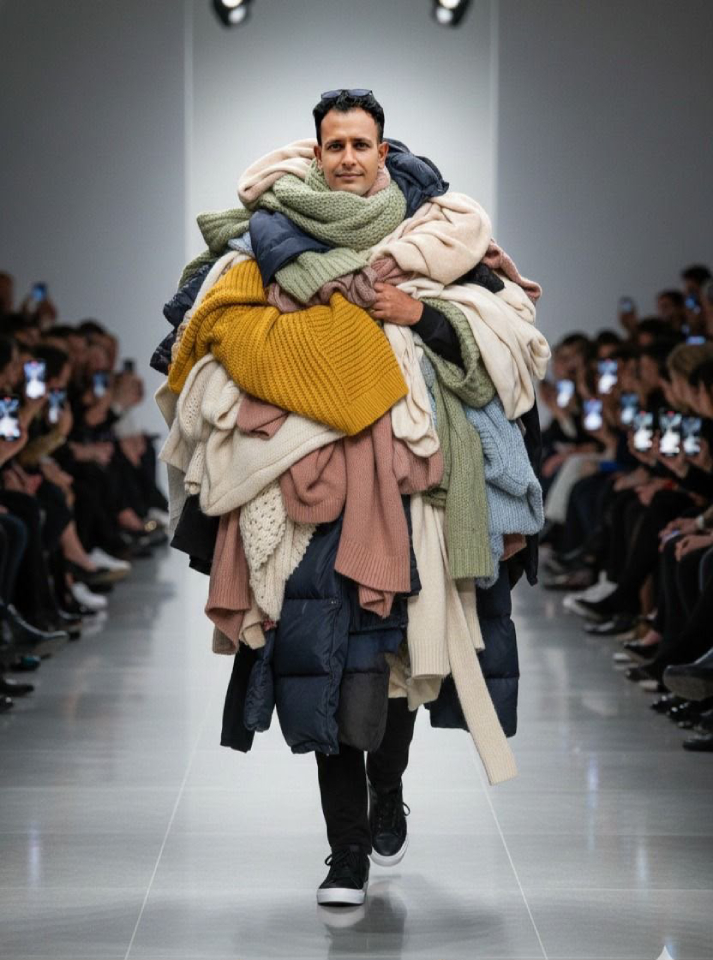
Meanwhile, untreated dyes and chemical runoff make up 20% of global industrial water pollution. Massive Emissions & Landfills: The fashion industry generates 10% of global carbon emissions. Discarded clothes-92 million tons a year-are dumped into developing nations or burned, releasing toxic fumes.
Breaking the Cycle: A Call to Action
We must hold corporations accountable and change how we consume:
- The 30-Wears Rule: Never buy an item unless you realistically plan to wear it at least 30 times.
- Normalize Repeating & Mending: Wear your clothes for years. Repair torn seams, replace buttons, and wear your wardrobe with pride.
- Choose Durable, Natural Fibers: Say no to cheap virgin synthetics. Choose long-lasting materials like organic linen, hemp, and recycled wool.
- Demand Stricter Laws: Support legislation that bans destroying unsold stock, imposes eco-tariffs on polluters, and enforces supply chain transparency.
A ₹300 shirt is not cheap when it costs us our rivers, clean air, and children’s future. It is time to stop chasing worthless trends, reject disposable culture, and protect the home we leave behind.